How to Make a Comic Book: A Creator’s Guide
In this article 6 min read
- How do I make my own comic book?
- How to make a comic book for a school project
- What to make a comic book about
- How to make a comic book when you can’t draw
- Where to make a comic book
- How to make a comic book with paper
- How to make a comic book for kids and beginners
- How to make a comic book cover
- How to make a comic book with AI and on a computer
- How much does it cost to create a comic?
- Frequently asked questions
How do I make my own comic book?
Discover how to make a comic book. Plan your story, write a script, sketch thumbnails, and design characters. Draw pages, add letters, and prep print-ready files. This guide walks you through each step to bring your story to life.

Making a comic book requires combining visual art and storytelling. Whether you are working on a school project or launching an independent graphic novel, breaking the process down into manageable stages prevents you from feeling overwhelmed by the blank page.
To execute this workflow successfully, you map out your narrative arc before touching a pen. You break your script down into panel-by-panel descriptions, ensuring each page advances the plot. You draft rough thumbnail layouts to test visual flow and eye movement across the page. Once you establish the structural foundation, you pencil clean lines, ink the artwork, add color or tones, and place your dialogue balloons in logical reading order.
How to make a comic book for a school project
Creating a comic book for a school project requires a concise story, a simplified page count, and clear panels that fit within your assignment guidelines. Small scopes, such as a four-page or eight-page short story, help you finish the artwork on time.

When you have limited time for an assignment, avoid complex multi-issue plotlines. Focus on a single clear conflict, three to four characters at most, and a definitive resolution. Use unlined paper and a black fineliner pen for traditional work, or basic digital tools if you prefer working on a computer.
A common problem with school projects is overcomplicating the visual layout. If you struggle to finish on deadline, you limit your panels to three or four per page and use simple character designs that you can replicate easily across multiple panels.
What to make a comic book about
Choosing a comic book topic means finding a core conflict that benefits from visual storytelling, such as a personal journey, a mystery, or an action-packed adventure. Slice-of-life stories, historical fiction, and sci-fi thrillers work exceptionally well in comic form.

You look at your favorite media for inspiration, but focus on stories you can tell effectively within your chosen page count. Ensure your main character wants something specific and faces a clear obstacle to keep readers engaged from the first panel to the last.
For a worked example, you can center a four-page comic on a student trying to recover a lost notebook before the final bell rings. This provides an immediate ticking clock, a clear physical goal, and high stakes without requiring world-building exposition.
How to make a comic book when you can’t draw
Making a comic book when you cannot draw involves collaborating with an artist, using digital generation tools, or relying on photo-comic and collage techniques. Illustrators or software like Clip Studio Paint help construct panels if traditional sketching is not your strong suit.
Collaborating with a penciler allows you to focus purely on the script and panel direction. Alternatively, you can use digital art assets, 3D models built into software like Clip Studio Paint, or graphic design platforms like Adobe Express to assemble panels using pre-made characters and backgrounds.
Who this advice does not suit: if you possess a strict budget and refuse to compromise on custom art styles, relying on pre-made assets or collaboration will frustrate your creative vision. In that case, you must practice fundamental drawing skills to generate your own assets.
Where to make a comic book
Making a comic book involves using digital platforms and software suites designed specifically for panel layout, lettering, and sequential art. Software like Clip Studio Paint, which costs $63 for a one-time purchase of the PRO version as of November 2026, provides dedicated tools for comic creators.

Free and web-based options allow you to build comic strips quickly in your browser, while desktop applications offer advanced features for multi-page comic books. Platforms like Webtoon and Tapas also serve as popular digital destinations for publishing and sharing your completed work with readers online.
How to make a comic book with paper
Building a comic book with paper requires standard printer paper or Bristol board, non-photo blue pencils for rough drafts, a black ink pen, and a ruler. You fold your sheets in half to form a mini-comic booklet or work on single pages that you scan later.

Next, you sketch your panel borders using a ruler and pencil, leaving enough white space around the edges for binding and trimming. You write your dialogue lightly in pencil first to ensure the text fits inside your balloons. Then you ink over your pencil lines with permanent black ink.
How to make a comic book for kids and beginners
Making a comic book for kids or absolute beginners involves stripping away complex industry formatting and focusing purely on fun visual communication. You start with a single sheet of paper folded into a mini-comic or a three-panel comic strip.

Also, you keep the drawing style loose and expressive rather than hyper-detailed. You use large, bold lettering for sound effects like BOOM or ZAP, and you keep dialogue balloons minimal so the art carries the primary weight of the story.
How to make a comic book cover
Designing a comic book cover requires a single, striking image that communicates the genre, tone, and central conflict of your story to a casual browser. You place your comic title in a prominent, stylized font near the top of the page, leaving space for issue numbers, creator credits, and a barcode box in the bottom corner.
Then, you pick your story’s most dramatic moment or iconic character pose for the central illustration. You test your cover composition by shrinking the image down to a thumbnail size; if the main elements remain readable at a distance, your layout succeeds.
How to make a comic book with AI and on a computer
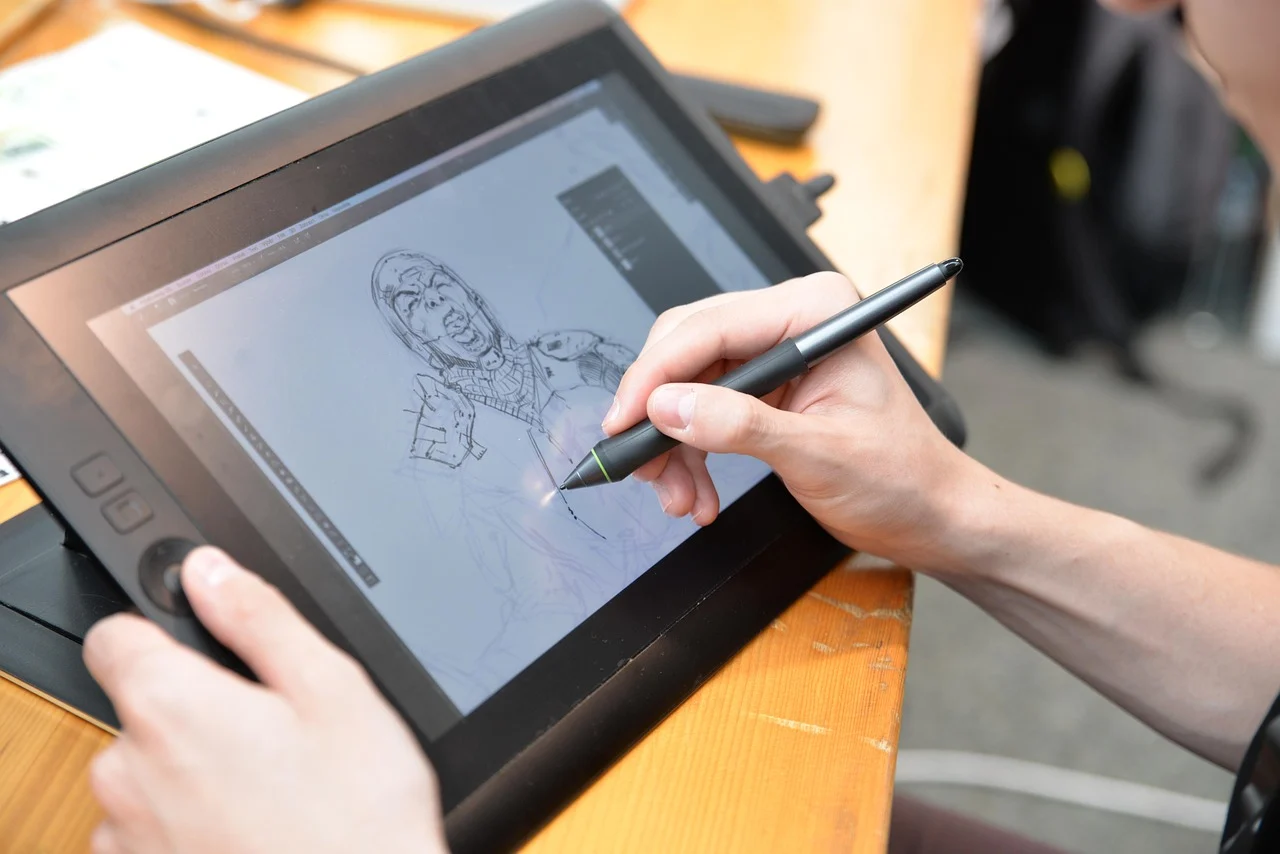
Making a comic book on a computer involves importing your script into layout software, drawing digital pages with a graphic tablet, and placing vector-based text balloons. You set your canvas resolution to 300 DPI at standard comic book dimensions to ensure crisp lines for both digital screens and physical printing.
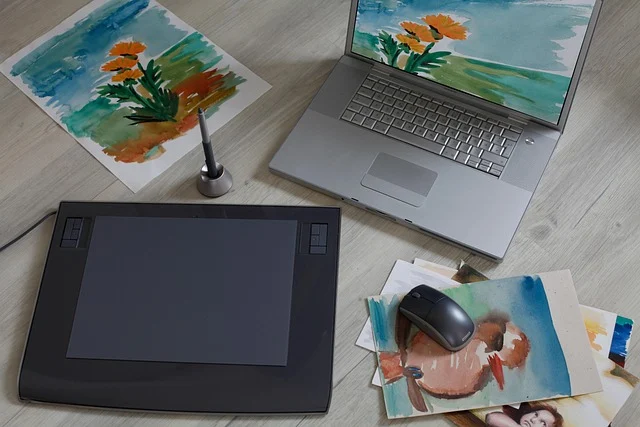
If you incorporate AI generation tools into your workflow, you use them strictly for background textures or initial conceptual inspiration rather than final sequential art. You maintain creative control by drawing your own characters and dialogue placement over any generated base layers to preserve stylistic consistency across pages.
How much does it cost to create a comic?
Creating a comic book can realistically cost anywhere from $5,000 to $10,000 for a self-published print run. Digital-only production costs significantly less if you create the art yourself. According to industry standards, hiring a full art team for a 24-page comic can cost $2,000 to $4,000 or more for art and production alone.

| Production Element | Estimated Cost Range | Key Details |
|---|---|---|
| Full Art Team | $2,000 – $4,000+ | Covers penciling, inking, coloring, and lettering for a 24-page book. |
| Digital Software (PRO) | $63.00 | Clip Studio Paint PRO one-time purchase option. |
| Printing and Shipping | $5,000 – $10,000 | Varies based on print volume, page count, and fulfillment strategy. |
As you can see from the table above, hiring professional creators makes up the largest portion of an independent comic book budget. If you plan on doing the art and writing yourself, your primary expenses will be software licenses and eventual printing costs.
Related guides
Frequently asked questions
How long does it take to make a comic book?
Creating a standard 24-page comic book can take anywhere from a few months to over a year, depending on whether you work alone or with a full art team.
Are comic books hard to make?
Making comic books requires balancing visual composition, pacing, and dialogue, which makes the process challenging but deeply rewarding for dedicated creators.
Can I publish my comic book digitally for free?
Publishing your comic book digitally is entirely free on webcomic platforms like Webtoon and Tapas, allowing you to build an audience without upfront printing costs.
What equipment do I need to draw a digital comic?
You need a computer or tablet, drawing software with panel layout features, and a digital stylus to sketch and ink your pages directly on screen.
[Related Article: how to format a comic book script]