How to Draw a Comic Character Step by Step
The following guide covers essential techniques for starting a comic character, including establishing silhouettes, utilizing photo references, maintaining anatomical strength, avoiding common beginner mistakes, and following a strict procedural order from gesture lines to final ink.
In this article 6 min read
How to start drawing a comic?
Drawing a comic character involves conveying its personality through clothing, accessories, and facial and body expressions, built on a foundation of consistent practice and core art fundamentals. We’d start by mastering the basics of gesture and anatomy before adding complex clothing or background details.
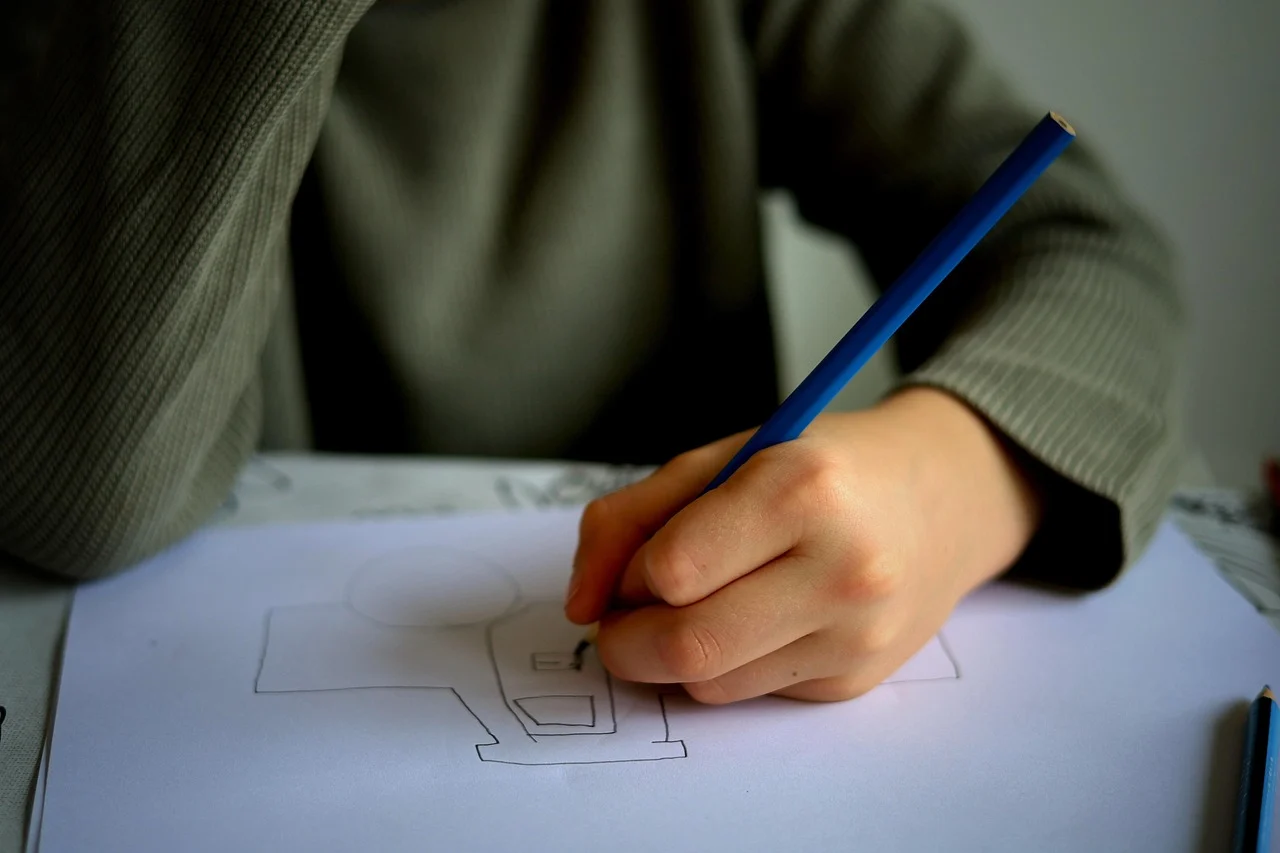
When you learn how to draw a comic character, you need a clear roadmap. It takes you from a blank page to a finished inked design. Many beginners make the critical mistake of skipping gesture and anatomy practice, which results in stiff, flat drawings. You should spend your first weeks studying basic forms, skeletal structures, and muscle groups. Avoid worrying about final line work. Comic art characters differ distinctively from cartoons by staying closer to reality with specific, structured features. Cartoons often remain two-dimensional and non-realistic. We recommend dedicating twenty minutes each day to quick gesture sketches using a simple HB pencil or a digital stylus. This habit builds the muscle memory required to draw dynamic poses without locking your hand into rigid strokes.
Another common trap is obsessing over details too early. Perfecting an eye or a boot buckle before you fix the head shape or torso proportions wastes valuable time. It forces you to redraw the entire piece. You must establish the silhouette first. You learn how to draw a comic character by blocking in simple three-dimensional shapes like cylinders, spheres, and cubes. This geometric approach, heavily favored in modern animation and comic design, gives your character weight and volume on the page. Once the underlying forms look correct from your chosen angle, you can refine the contours. Add the specific accessories that define your hero or villain.
How do I create my own comic character?
Learning how to draw a comic character requires you to define their personality, silhouette, and backstory. Designers translate those traits into visual choices like clothing, color palettes, and body language. We think the most memorable characters feature recognizable silhouettes that readers can identify instantly in a lineup.
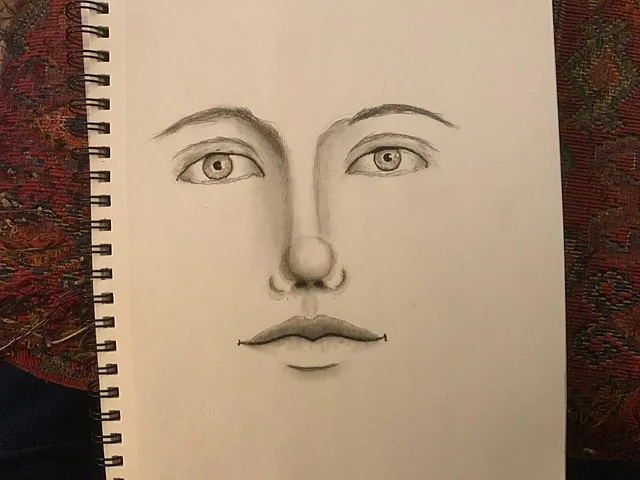
Your character’s visual design must tell a story before they even speak a word of dialogue. Start by writing down three core personality traits, such as reckless, analytical, or brooding. Then, translate those traits into physical attributes. A reckless brawler might wear asymmetrical armor and heavy boots. Analytical detectives need clean lines, fitted garments, and practical gear. Avoid overloading your design with too many belts, pouches, and complex patterns that slow down the drawing process. Simplicity often creates the strongest visual impact in sequential art when learning how to draw a comic character.
You must also consider gender presentation and proportions thoughtfully. Many guides on how to draw a comic character default automatically to male superhero proportions. They lead to the common misconception that female comic characters do not require different structural considerations. When designing female comic characters, you need to account for narrower shoulders, wider hips, and distinct skeletal weight distribution. Maintain anatomical strength while doing so. Use photo references constantly. Not using references to draw remains a major mistake, as beginners often rely solely on memory. They end up drawing distorted limbs or impossible joint angles. Gather real-world photos of athletes, actors, and clothing textures to ground your fictional creations in physical reality.
How to draw a comic character easy
Drawing a comic character easily comes down to breaking complex poses into manageable geometric steps and utilizing digital tools like Clip Studio Paint to correct mistakes quickly. We always advise beginners to use digital canvas-flipping features to spot and fix lopsided proportions instantly.
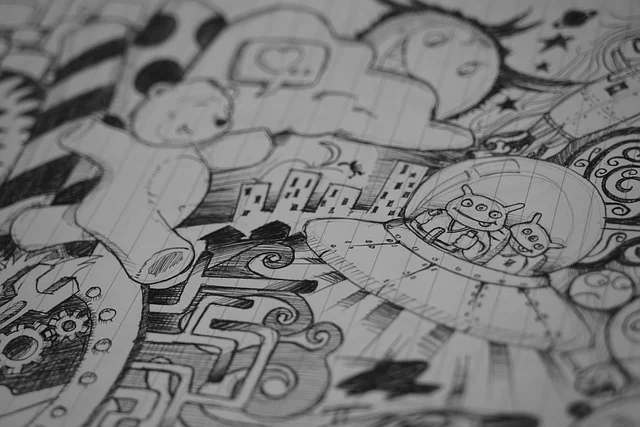
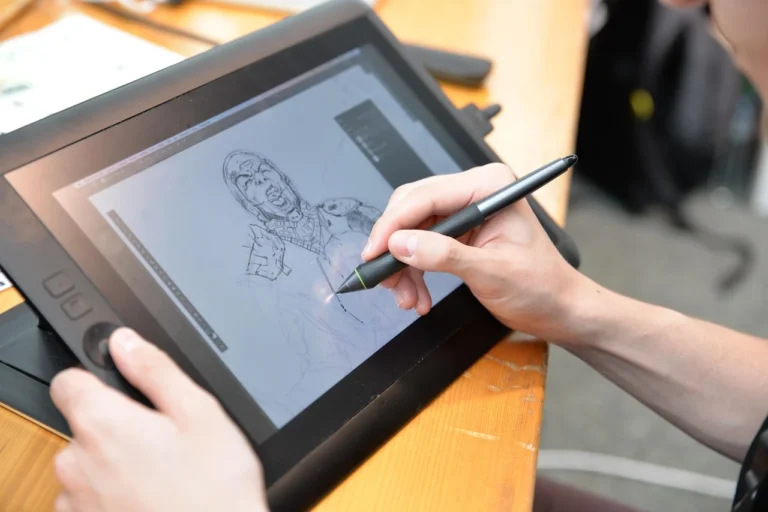
Technology has significantly changed comic art, with digital tools allowing for hyper-realistic coloring, precise line work, and motion comics. Software packages such as Clip Studio Paint provide solid environments for creators. Following a price revision implemented with the Ver. 5.0 upgrade, the one-time purchase price for Clip Studio Paint EX Version 5.0 increased to $277, while Clip Studio Paint PRO Version 5.0 increased to $63.00, according to Celsys announcements. Users with perpetual licenses for Windows or macOS require an annual Update Pass, subscription, or discounted version upgrade to receive new feature updates beyond their purchased major version. [clipstudio.net] Regardless of whether you use traditional paper or digital software, learning how to draw a comic character follows a strict procedural order.
- Sketch a loose gesture line to capture the energy and movement of the pose.
- Block in basic geometric shapes for the head, torso, and limbs over the gesture line.
- Refine the anatomical outlines, ensuring proper muscle placement and joint connections.
- Flipping the canvas regularly to check for symmetry errors and awkward angles.
- Clean up the construction lines and ink the final definitive contours.
When you complete these steps successfully, your drawing will look balanced and dynamic even before you add color or shading. If the character looks stiff, check your initial gesture line to ensure it conveys enough curve and momentum.
What is the 180 rule in comics?
The 180 rule in comics is a cinematic continuity guideline that dictates you must keep an imaginary axis line between two interacting characters, ensuring the camera or viewpoint never crosses it to prevent disorienting the reader. We find this rule essential for maintaining clear spatial awareness during action scenes or dialogue heavy panels.

When two characters face each other, they create an invisible line of action. If Character A stands on the left facing right, and Character B stands on the right facing left, viewers see a clear spatial relationship. Creators must place their viewpoint on one side of that line for the entire sequence. If you flip the camera across that axis in the next panel, readers will experience spatial disorientation. Character A will suddenly appear on the right facing left, confusing your reader about who is talking to whom. This principle directly borrows from film editing and storytelling traditions. Apply this rule strictly whenever you draw confrontation scenes, arguments, or passing conversations across multiple panels.
What is the 4 8 8 method of drawing?
The 4 8 8 method of drawing is a line-based method used by artists to simplify a subject into its proportions, gesture, and shape. [artistsandillustrators.co.uk] we recommend this approach when you struggle with maintaining consistent head-to-body proportions across different panels.
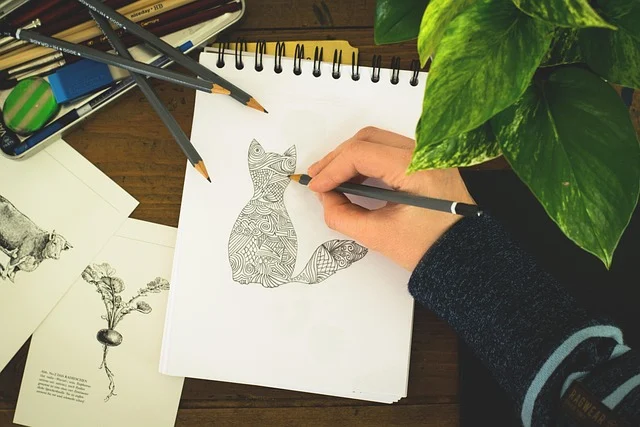
Proportion grids remove the guesswork from character construction by giving you absolute reference marks on your page. When you use a proportional method, you map out the height of the character. Relate it to the size of their head. Standard heroic comic proportions measure roughly eight heads tall. Stylized or younger characters might measure four to six heads tall. You draw a vertical line and mark off equal segments representing head heights. This grid ensures that the torso, legs, and arms occupy their correct anatomical regions, preventing common mistakes like oversized hands or shortened shins. Practice this method with basic mannequins before you attempt fully rendered superhero costumes.
Related guides
Frequently asked questions
How do I make my comic character look dynamic?
You make a comic character look dynamic by emphasizing strong lines of action, asymmetrical poses, and exaggerated perspective rather than standing them in rigid, neutral postures. We suggest curving the spine and tilting the shoulders to infuse immediate energy into your sketch.
Why do my comic drawings look flat?
Your comic drawings look flat because you are missing underlying skeletal volume and failing to use overlapping shapes. You can fix this by practicing three-dimensional geometric construction before you add clothing lines or surface details.
How long does it take to learn comic character drawing?
Learning to draw comic characters takes months or years of consistent daily practice, depending on how much time you dedicate to studying anatomy, gesture, and perspective. You will see noticeable improvements within your first three months if you sketch every single day.