

How to Get Your Comics Graded: A Step-by-Step Guide
To get your comics graded, you will need to prepare your books carefully, select a reputable third-party grading service such as CGC or PSA, choose the appropriate submission tier based on your comic’s value and age, complete a detailed submission form, securely package your comics, and then ship them to the chosen grading company for their professional evaluation and encapsulation.
As collectors, we understand the desire to preserve and authenticate valuable comics. The grading process provides a standardized, objective assessment of a comic’s condition. This is crucial for both preservation and determining market value. With recent changes in the grading landscape, including PSA’s entry into comic grading and the closure of CBCS in 2026, you must understand the current options. This is more important than ever.
In this article 12 min read
Why Get Comics Graded?
Getting your comics graded offers several key benefits, primarily revolving around preservation, authentication, and establishing a clear market value for your collection. A professional grade provides an independent, standardized assessment of your comic’s condition, which is essential for serious collectors and investors.

Professional grading assesses every aspect of a comic’s condition, from minor spine stresses to page quality.
First, grading services like CGC (Certified Guaranty Company) and PSA (Professional Sports Authenticator) encapsulate your comic in a tamper-evident, protective plastic case, often called a ‘slab.’ This physical barrier shields the comic from further environmental damage, handling wear, and potential tampering, preserving its condition for the long term. This is particularly valuable for rare or high-value books that you want to keep in their current state.
Benefits of professional comic grading
Second, grading provides an impartial, third-party authentication of your comic. The assigned numerical grade, typically on a 0.5 to 10.0 scale, offers a universally understood description of the comic’s condition. This standardization removes much of the subjectivity inherent in self-grading, allowing buyers and sellers to agree on a comic’s state without needing to physically inspect every detail. The grade takes into account factors like cover wear, spine stress, corner integrity, page quality, and staple condition.
Finally, a professional grade significantly impacts a comic’s market value. Graded comics generally command higher prices. They are easier to sell because buyers have confidence in the stated condition and authenticity. This is especially true for key issues or highly sought-after books. Even a slight difference in grade can mean a substantial difference in price. For instance, a comic graded 9.8 (Near Mint/Mint) will be far more valuable than the same comic graded 7.0 (Fine/Very Fine). This is true even if the difference in appearance seems subtle to an untrained eye. According to CGC, their certification provides an accurate, consistent, and impartial assessment of how to get comics graded. A comprehensive guarantee backs it, which builds trust in the market.
When to Get Comics Graded
You should consider getting a comic graded when its potential value justifies the cost of the service, or when you want to permanently preserve a significant or sentimental piece of your collection. It is not always beneficial to grade every comic you own.
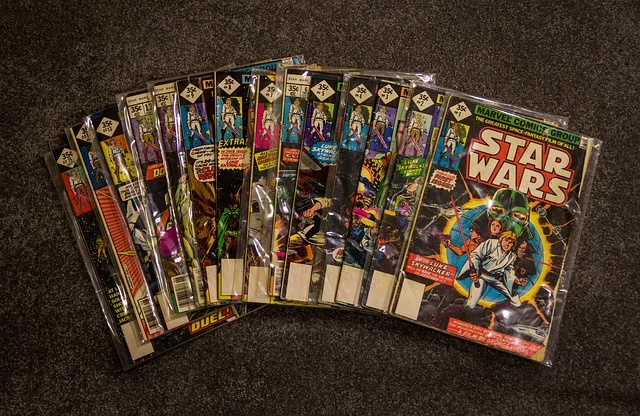
For most collectors, the decision to grade often comes down to the comic’s rarity, historical significance, or current market demand. Key issues, such as first appearances of major characters, iconic covers, or historically important stories, are prime candidates for grading. These are the books whose value is most sensitive to condition and authenticity. For example, a first appearance of a beloved character from the Silver Age, even if not in perfect condition, might be worth grading due to its intrinsic historical importance.
Assess comic value and condition
Another factor is the comic’s perceived condition. While a common misconception is that a comic from the 1980s or 1990s in a plastic bag is automatically “mint condition,” truly mint comics (10.0 or 9.8) are exceedingly rare due to manufacturing and handling defects. If you believe you possess a comic in exceptionally high grade, especially one with significant market value, understanding how to get comics graded can confirm that condition and unlock its full potential value. Conversely, if a comic is in very poor condition (e.g., a grade below 4.0), the cost of grading might outweigh any potential increase in value, unless it’s an extremely rare or unique item.
You should consider grading a comic if it holds significant personal sentimental value. You may also want to preserve it in a durable, archival-quality holder. While this is not a financial decision, encapsulation provides peace of mind. It protects the comic for years to come. However, for common books with little to no market value, or comics already in low condition, the expense of grading is typically not justified.
Where to Get Comics Graded: Major Services and Options
Currently, Certified Guaranty Company (CGC) and Professional Sports Authenticator (PSA) are the primary professional comic book grading services available to collectors, following significant industry changes in 2026.
CGC (Certified Guaranty Company) has been a leader in comic book grading since its founding in 2000. The collecting community widely recognizes and respects it. They know CGC for its consistent grading standards and solid encapsulation. CGC offers various submission tiers based on the comic’s age, declared value, and desired turnaround time. For example, as of January 6, 2026, CGC’s US submission fees include a Modern tier (1975-present, max value $400) at $30 and a Vintage tier (before 1975, max value $400) at $45. They also offer bulk options and higher-value tiers. Unlimited Value tiers cost 4% of Fair Market Value with a $135 minimum.
PSA (Professional Sports Authenticator) officially launched its comic book grading service on July 14, 2025. PSA is a well-established name in sports card and memorabilia grading. They bring extensive experience and a reputation for authentication to the comic market. Their entry, alongside the closure of CBCS by its parent company Collectors on April 17, 2026, means that PSA has quickly become a major player. PSA will absorb services for collectors who previously used CBCS. This indicates a consolidation in the industry.
Can You Get Comics Graded In Person?
Yes, you can often get comics graded in person. You can submit them at major comic conventions or through authorized dealers. These dealers facilitate submissions to grading companies. While you typically send direct submissions to the grading company’s main facility via mail, in-person submission events offer a convenient alternative. This is especially true for those who prefer not to ship high-value items.
CGC frequently has a presence at large comic conventions across the United States and internationally. At these events, you can often drop off your comics directly to their representatives for how to get comics graded. This can be appealing. It eliminates the initial shipping cost and potential concerns about your comics’ safety during transit to the grading facility. However, they will still need to ship the comics from the convention back to the grading facility for the actual grading process. Then they will return them to you. So, it doesn’t necessarily speed up the entire turnaround time. It simply streamlines the initial drop-off.
Additionally, many comic book stores and authorized dealers act as facilitators for grading submissions. These dealers can guide you through the process of how to get comics graded, help you fill out forms, and often combine your submission with others to save on shipping costs to the grading company. They then handle the secure transit of your comics. While not direct in-person grading, it provides a local, in-person point of contact for the submission process. We recommend checking the official websites of CGC or PSA for a list of authorized dealers or upcoming convention appearances if you prefer this method.
How to Get Comics Graded: A Step-by-Step Process
The process of getting your comics graded involves careful preparation, accurate submission, and secure shipping. Follow these steps to ensure a smooth grading experience.
-
- Assess Your Comics and Research Value: Before you do anything else, carefully examine your comics. Determine their approximate condition and potential value. This initial assessment helps you decide if grading is worthwhile for a particular book. It also informs which submission tier you’ll choose. Websites like ComicValue.app or MyComicsCollection.com can assist with rough valuations. Understand that a comic from the 80s or 90s in a polybag is not automatically “mint condition.” Even recent books can have manufacturing defects.
- Choose Your Grading Service: Decide between CGC and PSA based on your preference, the type of comic, and current turnaround times. While CGC has a longer history in comic grading, PSA’s entry has created another strong option.
- Select the Appropriate Submission Tier: Each grading company offers different tiers based on the comic’s declared value, its age (e.g., Modern vs. Vintage), and the desired turnaround time. Higher value comics or faster service will incur higher fees. For CGC, Modern tier (1975-present, max value $400) is $30, and Vintage tier (before 1975, max value $400) is $45. Ensure your declared value is accurate, as under-declaring can void insurance and over-declaring can lead to higher fees.
- Prepare Your Comics: You should submit comics raw (out of bags and boards), but you must carefully protect them for shipping. Do not attempt to clean or press the comic yourself unless you are a professional. Improper cleaning can cause damage and lower the grade. If you believe your comic would benefit from pressing (a non-restorative process that flattens minor defects like bends or ripples), some services offer this as an add-on.
- Complete the Submission Form: Fill out the grading company’s online or physical submission form accurately and completely. You will need to list each comic, its title, issue number, date, and declared value. Double-check all information to avoid delays.
- Package Your Comics Securely: This is a critical step. You should protect each comic individually, typically using Mylar bags and sturdy boards. Then place them between thick cardboard or in a comic mailer. Pack them snugly in a sturdy box with ample padding to prevent shifting during transit. Insure your package for its full declared value.
- Ship Your Comics: Send your securely packaged comics to the grading company’s facility. Always use a reputable shipping service that offers tracking and insurance. Insured shipping both ways can range from $20-$30 for a single book, according to current CGC information.
- Wait for Grading and Return: Once the company receives your submission, it will log it. The grading company performs a detailed evaluation of each comic’s condition. It assigns a numerical grade (e.g., 9.6, 9.8) and encapsulates it in a protective slab. Page quality, such as “White” pages, is recorded separately. You will then receive your graded comics back via insured mail.
How Much Does it Cost to Have Comics Graded?
The cost to have comics graded varies significantly based on the grading service, the comic’s declared value, its age, and the chosen submission tier, but typically ranges from $27 to over $100 per comic, plus shipping and handling fees.
-
- Secure packaging is essential to protect your investment during shipping to and from the grading company.
For CGC, as of January 6, 2026, standard US submission fees are:
-
-
- Modern Tier (1975-present, max value $400): $30 per comic
- Vintage Tier (before 1975, max value $400): $45 per comic
- Modern Bulk (25-book minimum, max value $400): $27 per comic
- Vintage Bulk (25-book minimum, max value $400): $42 per comic
- High-Value Comics (max value $1,000): $105 per comic
- Unlimited Value Tiers: 4% of Fair Market Value, with a $135 minimum
-
In addition to the per-comic grading fee, you will incur other costs. CGC typically charges a $5 online handling fee per invoice. More significantly, you must account for insured shipping both to and from the grading facility. This can easily add an extra $20-$30 for a single book, and more for larger submissions. If you opt for additional services like pressing, signature verification, or faster turnaround times, these will also increase the total cost.
PSA’s pricing structure for comics, while not detailed in the provided facts, is expected to be competitive. It is likely structured similarly, with tiers based on declared value. When you decide whether to grade a comic, always compare the total estimated cost (grading fee + shipping + handling + any add-ons) against the potential increase in the comic’s market value. Or, you can compare it to its sentimental importance if financial return isn’t the primary goal.
International Comic Grading: UK, Canada, and Australia
Collectors in the UK, Canada, and Australia can get their comics graded by submitting them to major US-based grading services, often through authorized international dealers or direct shipping, with additional considerations for customs and shipping costs.

While CGC and PSA are primarily based in the United States, their services are accessible worldwide. For collectors in the UK, Canada, and Australia, the process generally mirrors the US submission steps, but with some crucial differences:
-
-
- Authorized Dealers and Submission Centers: Many international regions have authorized dealers or submission centers that act as intermediaries. These entities consolidate submissions from local collectors. They handle the secure international shipping to the grading company in the US and then back. This can often reduce individual shipping costs and simplify customs procedures; people find this a significant advantage.
- Direct International Shipping: You can also opt to ship your comics directly to CGC or PSA from your country. This requires careful attention to customs declarations, ensuring the declared value is accurate for both insurance and import/export purposes. Incorrect declarations can lead to delays, additional fees, or even seizure.
- Increased Shipping Costs and Times: International shipping is inherently more expensive and takes longer than domestic shipping. You must factor in higher postage rates, potential customs duties, and longer transit and processing times. Insured shipping is non-negotiable for valuable comics.
- Currency Exchange: All grading fees will typically be charged in US dollars. So, you will need to account for currency exchange rates when calculating your total cost.
-
Finding local submission partners
For example, to get comics graded in the UK, you might search for “CGC UK authorized dealer” to find local options. These dealers can provide guidance specific to your region regarding packaging, shipping, and customs. Similarly, for Canada and Australia, looking for local submission partners is often the most straightforward approach. Always verify the legitimacy of any third-party submission service directly with CGC or PSA’s official websites.
Frequently asked questions
Is getting comics graded worth it?
Getting comics graded is worth it for valuable, rare, or personally significant comics, as it provides authentication, preservation, and a standardized condition assessment that enhances market value. For common or low-value comics, the cost of grading might outweigh the benefits.
How do I get comics CGC certified?
To get comics CGC certified, you need to create an account on their website, select the appropriate submission tier, carefully prepare your comics by removing bags and boards, complete the online submission form, securely package your comics, and ship them to CGC’s facility for grading and encapsulation.
What is the 180 rule in comics?
The “180 rule” in comics refers to a guideline for assessing a comic book’s cover centering. It suggests the image should be centered with roughly equal margins on all sides. Graders consider it a factor in determining a comic’s overall condition, particularly at higher grades. There, visual presentation is crucial.