
Your X-Men Reading Order: How to Start and Where to Go
In this article 10 min read
- Why Is Finding an X-Men Reading Order So Challenging?
- Where Should New Readers Begin Their X-Men Journey?
- Navigating Key X-Men Eras and Events
- Collecting X-Men Comics: Omnibuses, Trade Paperbacks, and Digital
- Common Mistakes to Avoid When Starting Your X-Men Reading Order
- Who Might Not Suit the Standard Reading Order Advice?
- Frequently Asked Questions
Why Is Finding an X-Men Reading Order So Challenging?
Finding a definitive X-Men reading order is challenging because the franchise spans over sixty years of continuous storytelling. It involves thousands of issues across multiple concurrent titles, major crossover events, and numerous relaunches. This extensive history, beginning with their 1963 debut, often overwhelms new readers. They might feel compelled to read everything from the very start, which is a common reason for giving up on the series.
Marvel has published X-Men comics since 1963. They created a complex web of interconnected narratives. Unlike some other comic lines, the X-Men universe often features multiple ongoing series, miniseries, and one-shots. All of these contribute to a larger, overarching story. A character’s journey might begin in Uncanny X-Men, continue through X-Factor, and then resolve in an event like Mutant Massacre. Other titles progress their own storylines at the same time.
The sheer scale is immense. A comprehensive X-Men reading order can involve over 4,000 issues. This depth is part of what makes the X-Men so rich for long-time fans. But it also presents a significant barrier for those looking to jump in. The good news is that Marvel deliberately designs each X-Men relaunch as a new jumping-on point. You don’t need to commit to reading six decades of continuity to enjoy the current adventures.
Where Should New Readers Begin Their X-Men Journey?
New X-Men readers have several excellent starting points. Your choice depends on your preference for current stories, modern reboots, or classic foundational tales. You do not need to read sixty years of continuity from the 1963 debut. We recommend choosing one of three distinct entry points: the current era, a key modern reboot, or the definitive classic run. Each offers a complete and engaging experience without requiring extensive prior knowledge.
Starting with the Current Era: X-Men: Shadows of Tomorrow (2026-Present)
For readers who want to dive directly into the most current mutant adventures, we recommend the X-Men: Shadows of Tomorrow era (2026-present) as your starting point. This era began in January 2026. It directly follows the events of Age of Revelation (October-December 2025) and X-Men: From the Ashes (2024-2025). This offers a fresh status quo for the X-Men. Marvel consistently structures new eras as accessible entry points. You’ll quickly grasp the current world state and character dynamics.

This approach allows you to experience the unfolding narrative in real-time alongside other readers. You can join the conversation about new developments and character arcs. While you might encounter references to past events, the primary focus will be on the present story. You can usually find the context for those references or easily infer it. This is particularly suitable if you want to follow the X-Men as they appear in comic shops right now.
Modern Reboot: Jonathan Hickman’s House of X / Powers of X (2019)
If you prefer a relatively recent, self-contained story that dramatically reshaped the X-Men universe and set the stage for many subsequent storylines, Jonathan Hickman’s House of X (HOX) / Powers of X (POX) from 2019 is an ideal starting point. This twelve-issue maxi-series (six issues of HOX and six issues of POX, designed to be read in an alternating sequence) completely redefined mutantkind’s place in the Marvel Universe, establishing the sovereign nation of Krakoa and introducing bold new concepts.

HOX/POX serves as a fantastic entry point because it acts as a soft reboot. It provides an accessible, high-concept narrative that doesn’t rely heavily on decades of prior continuity. The series explains everything you need to know within its pages. It introduces the key players, the new status quo, and the core conflicts that would define the Krakoan Age. Many readers found this series to be a great addition to an X-Men reading order. It is widely available in collected editions.
Classic Entry: Giant-Size X-Men #1 (1975) and Chris Claremont’s Run
For those who appreciate classic comic storytelling and want to experience the foundational narratives that defined the X-Men for generations, beginning with Giant-Size X-Men #1 (1975) is the traditional and highly recommended approach. This issue introduced a new international roster of mutants. It included iconic characters like Storm, Colossus, Nightcrawler, and Wolverine, reviving the then-dormant X-Men title.
Following Giant-Size X-Men #1, you would continue with Chris Claremont’s subsequent run on Uncanny X-Men (starting with issue #94). Claremont’s tenure lasted for an astonishing 16 years. Many widely regard it as the definitive X-Men era, featuring seminal storylines such as the Dark Phoenix Saga, Days of Future Past, and the Mutant Massacre. You can find this run in numerous collected editions, including Marvel Masterworks, Epic Collections, and Omnibuses. This makes it accessible for dedicated readers.
Navigating Key X-Men Eras and Events
Once you’ve chosen a starting point, you can understand the major X-Men eras. This helps you decide where to go next, especially if you want to delve deeper into specific periods or character developments. Each era often brings a distinct tone, creative team, and overarching narrative. You can explore different facets of the mutant saga at your own pace.
The Krakoan Age (2019-2024): A Mutant Nation
The Krakoan Age, which ran from 2019 to 2024, was a transformative period for the X-Men, initiated by Jonathan Hickman’s House of X / Powers of X. During this era, mutants established their own sovereign nation-state on the living island of Krakoa, developing new technologies, resurrection protocols, and a unique culture. This period explored themes of nation-building, political intrigue, and the moral complexities of mutant supremacy.
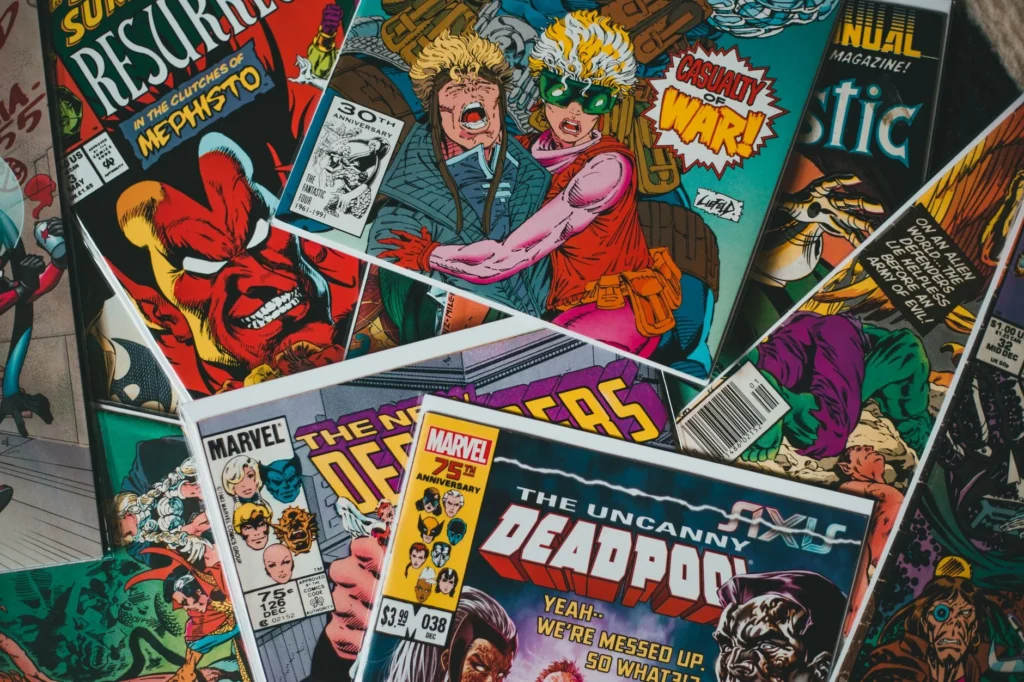
To read the Krakoan Era, you can follow individual writers’ runs. These include Hickman’s main X-Men title, Tini Howard’s Excalibur, or Gerry Duggan’s Marauders. You can also use a proper x-men reading order to organize the entire era chronologically. These collected editions are typically grouped into phases such as Dawn of X, Reign of X, and Destiny of X. The era culminated in the Fall of X event (2023-2024). This event saw the anti-mutant group Orchis ambush the Hellfire Gala. It ultimately led to the dissolution of Krakoa.
X-Men: From the Ashes (2024-2025)
Following the dramatic conclusion of the Krakoan Age and the Fall of X, the X-Men: From the Ashes era (2024-2025) served as a significant relaunch. This period saw mutants scattered back into human society, dealing with the aftermath of Krakoa’s fall and facing renewed persecution. The focus shifted from a mutant nation to individual teams and characters navigating a world once again hostile to their existence.
This era was designed to be another accessible jumping-on point for readers. It offered new team rosters and storylines that explored the challenges of being a mutant without the protection of Krakoa. It provided a bridge between the grand, interconnected narratives of the Krakoan Age and the subsequent developments. This allowed for a more diverse range of storytelling approaches.
Age of Revelation (October-December 2025) and Shadows of Tomorrow (2026-Present)
The Age of Revelation (October-December 2025) served as a concise transitional period, setting the stage for the current X-Men: Shadows of Tomorrow era (2026-present). This short run provided crucial developments and character shifts, leading directly into the new status quo that began in January 2026. If you’re starting with Shadows of Tomorrow, you might find it beneficial to consult a brief summary of the Age of Revelation to fully appreciate the immediate context, though it’s not strictly necessary.
The Shadows of Tomorrow era continues to build on the foundations laid by From the Ashes, exploring new threats and challenges for the X-Men in a post-Krakoan world. This current period is where the most active storytelling is happening, making it an exciting time for readers who want to engage with the ongoing narrative as it unfolds.
Collecting X-Men Comics: Omnibuses, Trade Paperbacks, and Digital
When it comes to collecting X-Men comics, you have several primary formats to choose from: single issues, trade paperbacks (TPBs), omnibus editions, and digital comics. Each format offers different advantages depending on your budget, storage space, and reading preferences.
Trade Paperbacks (TPBs)
Trade paperbacks collect several issues of a specific series or storyline into a single volume, usually six to twelve issues. They are an excellent option for reading complete arcs without waiting for individual issues or committing to larger, more expensive collections. TPBs are generally affordable, easy to find at comic shops or bookstores, and convenient for casual reading. They are the most common way for new readers to catch up on past storylines.
Omnibus Editions
Omnibus editions are oversized, hardcover collections that gather a substantial number of issues. They often include entire runs by specific creative teams or significant story arcs, sometimes spanning 25 to 50 issues or more. Collectors highly seek them for their comprehensive nature, high-quality production, and impressive shelf presence. If you are interested in the “x-men reading order omnibus” approach, these are ideal for collecting entire eras like Chris Claremont’s Uncanny X-Men or the full Krakoan Age phases. However, they can be quite expensive and physically large, requiring dedicated shelf space.

Digital Comics
Digital comics offer instant access to a vast library of X-Men titles through platforms like Marvel Unlimited (subscription service) or ComiXology (purchase individual issues/collections). This is the most space-efficient and often the most cost-effective way to read a wide range of X-Men comics, especially for exploring different eras without a large financial investment. Marvel Unlimited, in particular, is fantastic for binge-reading and experimenting with different runs to find what you enjoy.
Common Mistakes to Avoid When Starting Your X-Men Reading Order
Embarking on an X-Men reading journey can be incredibly rewarding, but the editorial team has seen many new readers fall into common traps that lead to frustration. Avoiding these pitfalls will make the experience much smoother and more enjoyable, ensuring readers stick with the mutants for the long haul.
Don’t Start from the Absolute Beginning (1963)
New readers frequently make the mistake of starting with X-Men #1 (1963). These early issues remain significant comic history, but feel dated. Their storytelling style differs vastly from modern comics. Marvel deliberately designs new eras as jumping-on points. Using the X-Men reading order from 1963 makes readers give up entirely. We advise against this unless you have comic history interest and vintage tolerance.
Don’t Try to Read Every Single Title Simultaneously
During peak periods, the X-Men line can have five, ten, or even more concurrent titles. Trying to read every single X-book in strict chronological order can quickly become overwhelming and expensive. Instead, we recommend focusing on a core title or a specific creative team’s run that interests you. For example, during the Krakoan Age, you could follow the main X-Men title, then branch out to Marauders or Excalibur if you want more of that specific corner of the universe. It’s perfectly fine to pick and choose; you don’t need to consume everything to enjoy the X-Men.
Don’t Get Bogged Down by Every Crossover Event
X-Men comics are famous for their large-scale crossover events, which often involve multiple titles and can span months. While some events are crucial to the overall narrative (like Fall of X), others might be less impactful or more tangential. When using an x-men reading order, check if that event is central to your chosen series’ plot. If not, it’s often acceptable to read a summary or skip the tie-ins that don’t directly feature characters or plots you’re invested in. Your goal is enjoyment, not completionism at the expense of your sanity.
Who Might Not Suit the Standard Reading Order Advice?
While starting with modern or classic jumping-on points suits most readers, a different approach might be more appropriate in specific situations. Dedicated comic historians or completists with ample time and resources might indeed want to start the entire 1963-present journey. Similarly, if you are a fan of a very specific character who had an iconic run outside of the main X-Men teams, you might prioritize that character’s solo series over the core team books. However, for the vast majority of readers looking to enjoy the X-Men narrative, the focused starting points outlined will provide a much more accessible and rewarding experience.

Frequently Asked Questions
What is the Krakoan Age reading order?
The Krakoan Age (2019-2024) reading order typically begins with Jonathan Hickman’s House of X / Powers of X (2019) and then proceeds through collected editions organized into phases like Dawn of X, Reign of X, and Destiny of X. Alternatively, you can follow individual series by writer or specific character arcs within the era.
Where can I find X-Men reading order discussions like on Reddit?
Discussions about X-Men reading orders, similar to those found on Reddit, can be found on various comic book forums, fan communities, and dedicated comic reading order websites. These platforms often provide user-generated lists, recommendations, and ongoing discussions about how to approach different eras or specific storylines.
Is there an essential X-Men reading order for new fans?
Yes, an essential X-Men reading order for new fans focuses on key, impactful stories rather than the entire continuity. We recommend starting with Jonathan Hickman’s House of X / Powers of X (2019) for a modern entry, or Giant-Size X-Men #1 (1975) followed by Chris Claremont’s Uncanny X-Men for a classic foundation.