Marvel Comics Value: How to Assess Your Collection
The value of Marvel comics is fundamentally determined by a combination of scarcity, physical condition, and cultural relevance. Ultimately, it reflects what a buyer is willing to pay. To assess your collection’s worth, we recommend focusing on these core principles. Understand market dynamics and accurately evaluate each book’s unique characteristics.
In this article 10 min read
- How Do I Know If My Marvel Comics Are Worth Money?
- Are Old Marvel Comics Worth Money?
- How to Accurately Assess Your Marvel Comic’s Condition
- Finding the Current Market Value of Your Marvel Comics
- Understanding Market Trends and Common Misconceptions
- Who This Advice Does Not Suit
- Final Thoughts on Marvel Comics Value
- Frequently asked questions
How Do I Know If My Marvel Comics Are Worth Money?
You can determine if your Marvel comics are worth money by identifying key issues, accurately assessing their physical condition, and researching recent sold prices on established market platforms. The interplay of demand, supply, and the comic’s state directly influences its monetary value.
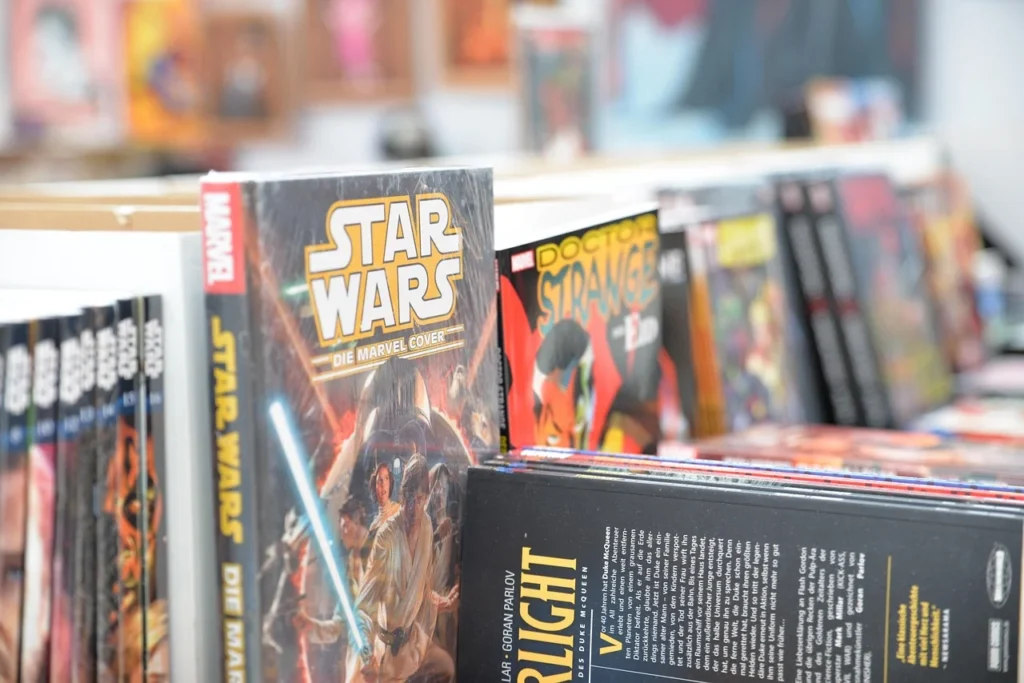
When assessing a comic’s potential value, several critical factors are considered. First, is it a key issue? These are comics that mark significant events in Marvel history, such as a character’s first appearance, an origin story, a major plot development, or the first issue of a new series. For example, Amazing Fantasy #15 (first appearance of Spider-Man) or Giant-Size X-Men #1 (first new X-Men team) are classic examples of key issues that consistently command high prices.
Second, the condition of your comic is paramount. A comic in near-mint condition will always be worth significantly more than the same issue with significant wear and tear. This guide will explain how to assess condition in detail shortly. Third, rarity plays a role, but it’s not the sole determinant. A rare comic with no collector demand may still not be valuable. It’s the combination of rarity and high demand that truly drives prices.
Finally, cultural relevance is increasingly important. With the rise of the Marvel Cinematic Universe (MCU) and other adaptations, characters or storylines prominent in film or television often see a surge in their comic book values. This can even extend to niche characters like Howard the Duck or Moon Knight. Their comics can appreciate faster due to resurgent interest, according to current characteristics for marvel comics value.
Are Old Marvel Comics Worth Money?
Yes, many old Marvel comics are worth money, but age alone does not guarantee value. Their worth depends significantly on condition, rarity, and ongoing collector demand. While age often contributes to rarity, a comic’s physical state and its historical significance or cultural impact are often more crucial determinants.

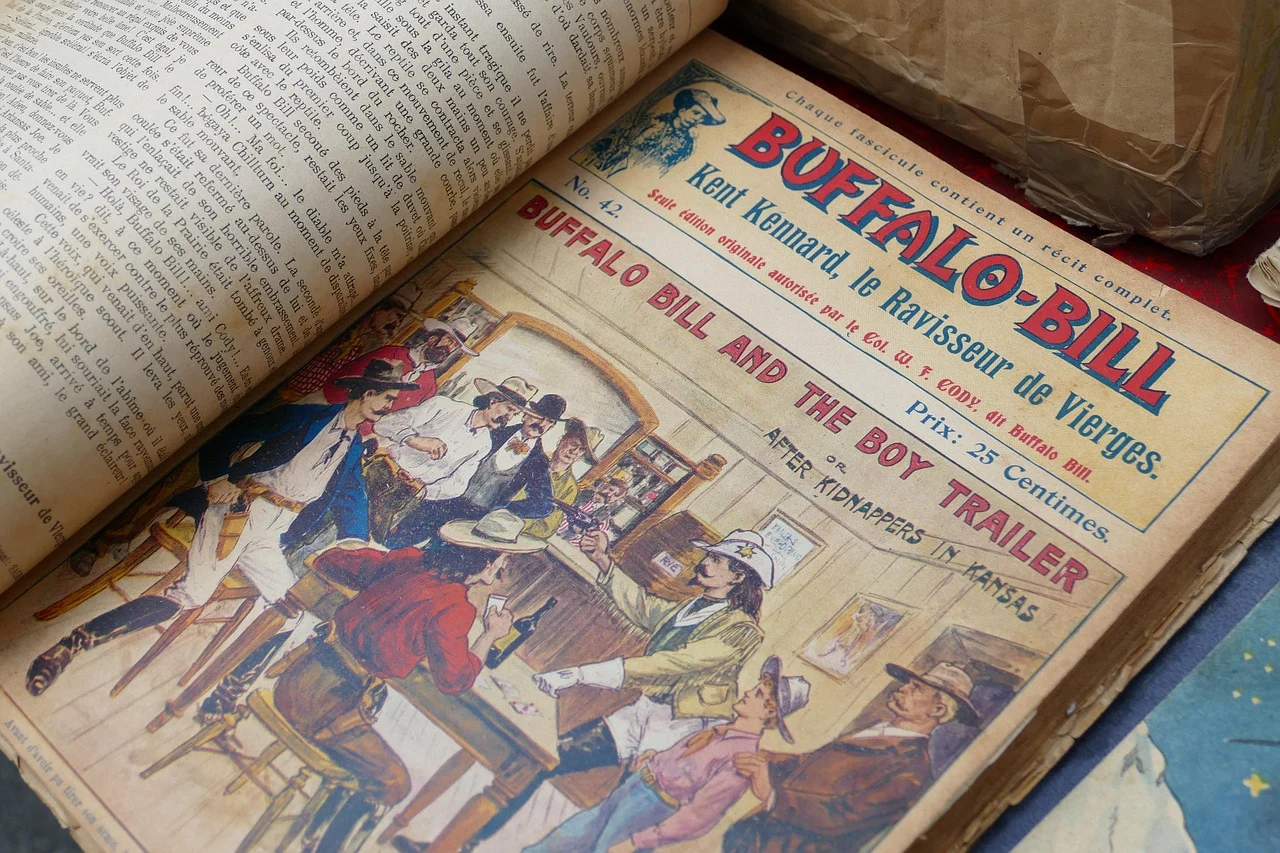
It’s a common misconception that simply having an old comic means it’s valuable. While many of the most valuable comics are indeed old, from the Golden Age (1938-1956) or Silver Age (1956-1970), their age is only one piece of the puzzle. A beat-up, incomplete copy of a moderately popular Silver Age comic might have very little marvel comics value. In contrast, a pristine, key issue from the Bronze Age (1970-1985) could fetch thousands.
For instance, a 50-year-old comic book, say from 1976, falls into the Bronze Age. While many comics from this era are highly collectible, such as early appearances of Wolverine or the first issues of classic runs, an average issue in poor condition might only be worth a few dollars. Conversely, a 50-year-old comic like Marvel Comics #1 (1939), though much older, had a mint condition value of $1,260,000 in November 2019 for a 9.4 NM copy, according to QualityComix, demonstrating the extreme impact of key status and condition over sheer age.
The market also shows a widening gap between high-grade and low-grade copies of the same book. This indicates collectors are becoming more discerning about quality. This means that even for older comics, a higher grade significantly amplifies its value.
How to Accurately Assess Your Marvel Comic’s Condition
To accurately assess your Marvel comic’s condition, you should meticulously inspect it for defects. Compare it against industry-standard grading scales and understand how professional graders apply these criteria. Condition is a major factor, assessed using industry grading standards like the Overstreet 10.0 scale. Professional grading services provide authentication and condition confirmation.
We recommend a systematic approach to condition assessment. Start by examining the cover: look for creases, tears, spine stress, color breaks, and any signs of fading or staining. Then, check the interior: are the pages complete, free of writing, tears, or brittleness? Is the centerfold attached? The whiteness of the pages (or lack thereof) also plays a role in Marvel Comics value.
Understanding the overstreet grading scale
The standard for comic book grading is the Overstreet 10.0 scale, where 10.0 is Gem Mint and 0.5 is Poor. Here’s a simplified overview of key grades:
- 10.0 Gem Mint: A perfect comic. Extremely rare.
- 9.8 Near Mint/Mint: A nearly perfect comic with only very subtle imperfections.
- 9.4 Near Mint: A comic with only minor wear, such as a few very minor stress marks on the spine.
- 8.0 Very Fine: A comic with some minor wear, such as a few small creases or minor spine stress.
- 6.0 Fine: A comic with noticeable wear, such as multiple creases, some spine roll, and minor tears.
- 4.0 Very Good: A comic with significant wear, including larger creases, tears, and discoloration.
- 2.0 Good: A heavily worn comic with major defects, but still readable.
- 0.5 Poor: A comic that is very heavily damaged, possibly incomplete, but still identifiable.
For serious collectors or valuable books, professional grading services like CGC (Certified Guaranty Company) and PGS (Professional Grading Services) offer authentication and a definitive, sealed grade. This process involves a third-party expert evaluating your comic and encapsulating it in a protective slab, which can significantly enhance its market value and liquidity, especially for high-value items.
Finding the Current Market Value of Your Marvel Comics
To estimate the current market value of your Marvel comics, we advise identifying key issues. You should also accurately assess their condition and check recent sold prices on reliable platforms. This requires using specific online tools and understanding how to interpret their data.
How to find current market values
Here’s how to approach finding current values:
- Identify Key Issues: As discussed, focus on comics with significant character first appearances, origin stories, or major plot points. These are the books that typically drive value.
- Assess Condition: Grade your comic as accurately as possible using the Overstreet scale. Be honest about its flaws, as an inflated self-assessment will lead to inaccurate price expectations.
- Check Recent Sold Prices: This is the most crucial step. Asking prices can be wildly optimistic, but sold prices reflect what buyers are actually paying. The primary tools used are:
- eBay (Filtered for “Sold Items”): Search for the specific comic (e.g., “Amazing Spider-Man #129 CGC 9.0”). Crucially, filter the results by “Sold items” to see completed transactions. This provides real-world market data.
- GPA Analysis / GoCollect / CovrPrice: These subscription-based services aggregate sales data from multiple auction sites, including eBay, Heritage Auctions, and more. They offer detailed historical price trends for both raw and graded comics across various grades. While some require a subscription, they are invaluable for serious collectors.
- CGC Census Data: The CGC website provides a census of all graded comics, showing how many copies exist at each grade. This helps you understand the rarity of your comic in a particular condition, which can influence its value.
- Compare Like-for-Like: Always compare your comic to others of the exact same issue, variant cover (if applicable), and grade. A raw (ungraded) comic will almost always sell for less than a professionally graded one, even if their conditions appear similar.
A combination of these resources provides the most accurate snapshot of a comic’s current market value. Remember that the global comic book market, valued at USD 18.63 billion in 2026, is dynamic, and prices can fluctuate.
Understanding Market Trends and Common Misconceptions
Understanding current market trends and dispelling common misconceptions is vital for accurately assessing Marvel comics value. This helps in making informed collecting decisions. The market experienced a significant correction in 2022-2023 after a pandemic-era collecting boom, and current characteristics show selective strength.
Current Market Trends (2025-2026)
- Selective Strength: Not all comics are appreciating equally. “Blue-chip” key issues, those highly sought-after and historically significant comics, are seeing annual appreciation of 5-10%. These are often seen as stable investments within the hobby.
- Modern Speculation Cooldown: Many speculative modern books, especially those tied to fleeting movie rumors or minor character introductions, have remained flat or even declined in value. The pandemic-era boom led to over-speculation in this segment.
- Graded vs. Raw: The gap between high-grade and low-grade copies of the same book has widened. This emphasizes the importance of condition and professional grading for maximizing value. Collectors are increasingly willing to pay a premium for authenticated, high-quality books.
- New Comic Pricing: As of October 2026, Marvel Comics has phased out its $3.99 single-issue price point, with most new issues now priced at $4.99 or higher. This impacts the cost of entry for new collectors and the potential long-term value of modern books.
Common Misconceptions to Avoid
When talking to collectors, a few recurring ideas are often heard that don’t quite align with market realities:
- Age Alone Determines Value: As mentioned earlier, a comic’s age helps with rarity, but condition, true rarity (how many exist), and ongoing collector demand matter significantly more. A very old, common comic in poor condition may be worth less than a newer, key issue in high grade.
- Graded Comics are Risk-Free Investments: While grading can enhance value and protect a book, it’s not a guaranteed investment. Grades can deflate if new copies are discovered, and inflation can distort the real value of a comic over time. The comic market, like any collectible market, has its fluctuations.
- Only “Big Two” Characters (Spider-Man, X-Men) Hold Value: This is incorrect. While Spider-Man and X-Men titles often have high-value keys, niche titles featuring characters like Howard the Duck or Moon Knight can appreciate significantly and sometimes faster due to cultural resurgences or unexpected media appearances. It’s about demand, not just popularity.
- Rarity Guarantees Value: A comic might be incredibly rare, with only a few copies known to exist. However, if there’s no demand for that specific comic or character, its rarity won’t translate into high market value. Value requires both scarcity and collector interest.
Avoiding these pitfalls will help you make more realistic assessments of your collection’s worth and better Handle the comic book market.
Who This Advice Does Not Suit
Advice on assessing Marvel comics value is primarily for collectors interested in the monetary worth of their books. This applies whether for selling, insurance, or investment. This approach may not suit casual readers who simply enjoy comics for the stories and have no intention of selling. It also excludes those who collect purely for sentimental reasons regardless of market price. If your primary joy comes from reading and owning comics without concern for their resale value, then the rigorous process of grading and market research outlined might feel unnecessary. It could also detract from enjoyment of the hobby.

Additionally, this guide focuses on individual comic book value rather than the overall ‘value’ of the Marvel Comics company itself, which is a different financial assessment entirely.
Final Thoughts on Marvel Comics Value
Understanding the true value of Marvel comics requires a blend of historical knowledge, meticulous inspection, and diligent market research. It’s a dynamic field influenced by both objective factors like condition and subjective ones like cultural relevance and collector demand. By applying the principles outlined—focusing on key issues, accurately assessing condition, and consulting reliable sales data—a clear picture of a collection’s worth can be gained.
Remember that the comic book market is always evolving. Staying informed about trends and avoiding common misconceptions will empower you to make the best decisions for your collection, whether you’re looking to sell, insure, or simply appreciate the monetary significance of your cherished Marvel comics.
Sources: The Transformers (Marvel Comics)
Frequently asked questions
What makes a Marvel comic book a “key issue”?
A “key issue” is a comic book that marks a significant event, such as the first appearance of a major character, an origin story, the first issue of a new series, or a crucial plot development. These issues are highly sought after by collectors and often command higher values.
Where can I find a free Marvel comics price guide?
While comprehensive, up-to-the-minute price guides often require subscriptions, you can get a good estimate of Marvel comics value for free by checking the “Sold items” filter on eBay, which shows what comics have actually sold for recently. Websites like PriceCharting also offer free access to historical pricing data for many series.
Is it worth getting my Marvel comics professionally graded?
It is generally worth getting your Marvel comics professionally graded if they are key issues, in high condition, or if you intend to sell them. Professional grading by companies like CGC provides authentication and a definitive, third-party assessment of condition. This can significantly increase a comic’s market value and buyer confidence.